
Is Poland Expensive? Real Costs for Tourists in 2026
Is Poland cheap?
Not exactly. But compared to the US — it absolutely is.
Prices in Poland have gone up a lot in recent years, and it’s no longer the “super cheap European destination” many people expect. But honestly… where in the world is still as cheap as it was 5 years ago, right?
Here’s the thing: If you’re coming from the US, you’ll probably still find Poland surprisingly affordable — especially when it comes to food, transport, and everyday costs.
The reality? Poland sits somewhere in between — not as cheap as many people expect, but still significantly more affordable than countries like the US or Western Europe. And once you understand how prices actually work here, you can travel comfortably without overspending.
Is Poland Cheap for Tourists?
For locals, Poland doesn’t always feel cheap anymore. But compared to Western Europe — countries like France or the UK — it’s still very reasonably priced.
In fact, Poland is often cheaper even than some of its closest neighbors in the eurozone. It’s quite common for people from countries like Germany or Slovakia to cross the border to shop, get services, or even go out to eat.
And the key thing here is: you’re not trading price for quality. Services, food, and accommodation in Poland are often high quality — just at a more accessible price point.
Average Costs in Poland (Quick Overview)
To give you a better idea of what things actually cost, here are some typical prices you can expect when traveling in Poland. These are not “best case” deals — just real, everyday prices.
- Coffee: $2–4
- Casual restaurant meal: $10–15
- Street food / fast food: $4–6
- Hotel (double room): $60–150 per night
- Train between major cities: $18–40
- Uber (airport → city): $12–15
Attractions:
- Wawel Castle (Kraków): $35–40
- Palace of Culture viewpoint: $7–8
- Wrocław Zoo: $15
- Malbork Castle: $20
- Wieliczka Salt Mine: $20–22
- Typical museum entry: $7–8
Keep in mind: Poland uses its own currency — Polish złoty (PLN), not euro.
If you’re planning your trip, you can read more about practical things like currency and payments here: Things to Know Before Visiting Poland
Accommodation Prices in Poland
Accommodation is where Poland really shines.
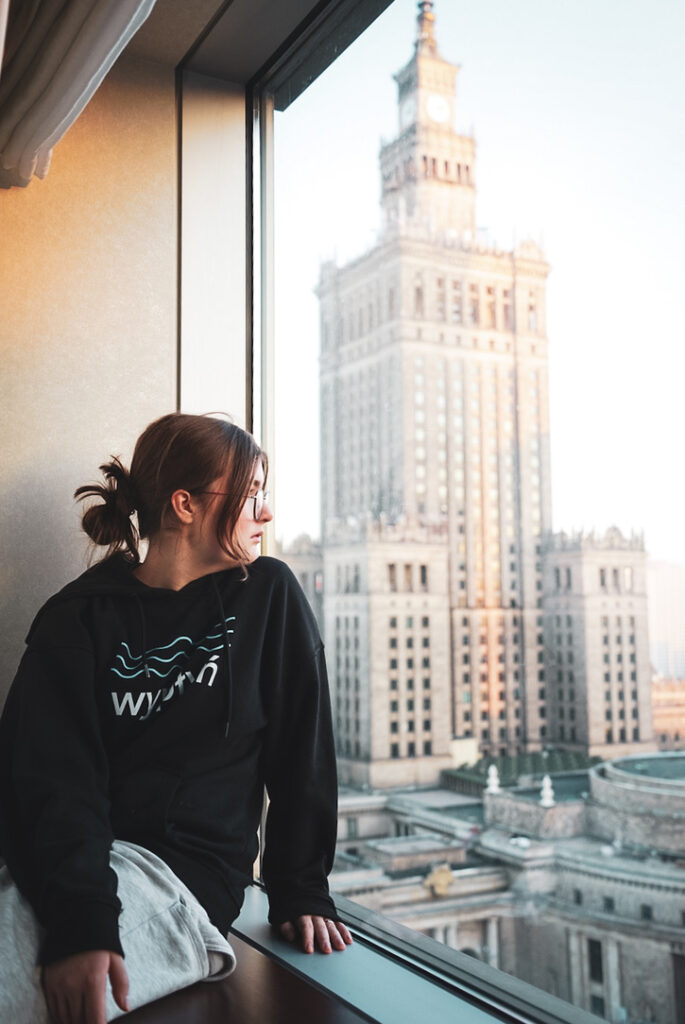
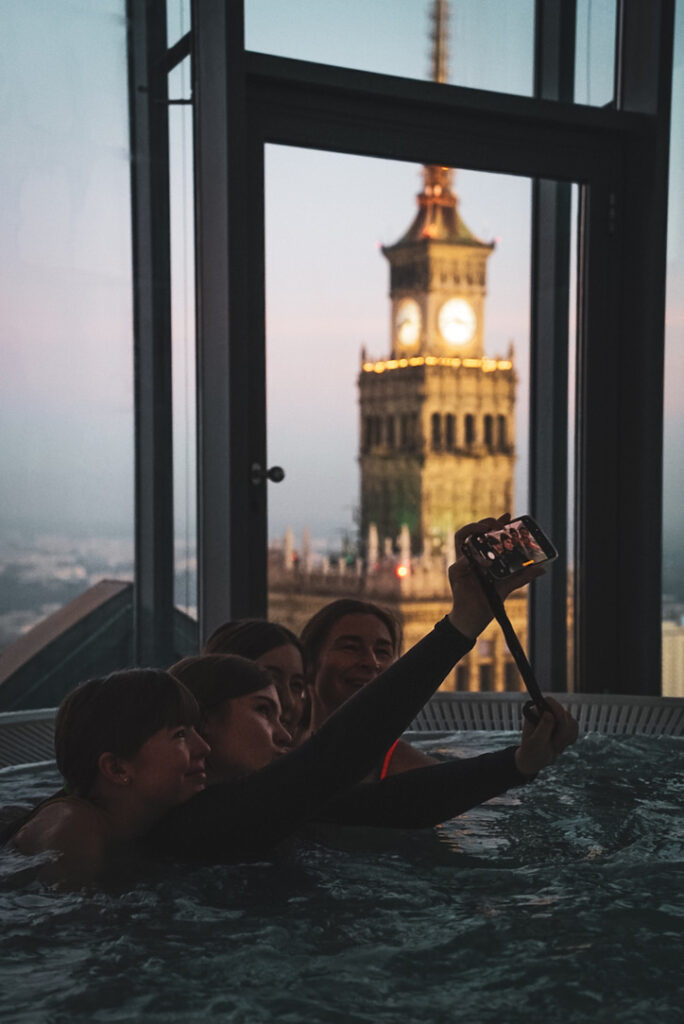
In Warsaw, you can easily find a high-standard double room with breakfast for around $100–150 per night.
Luxury hotels?
Even those are relatively affordable compared to the US. For example, a top hotel with a city view and pool can start from around $300–350 per night.
Kraków and Gdańsk are very similar to Warsaw in pricing — especially if you want to stay within walking distance of the Old Town.
Wrocław is usually a bit cheaper: great quality hotels from $60+ per night.
What surprises many travelers is not just the price — but how much you get for it. Compared to the US, the standard is often noticeably higher at a lower cost.
Food & Eating Out
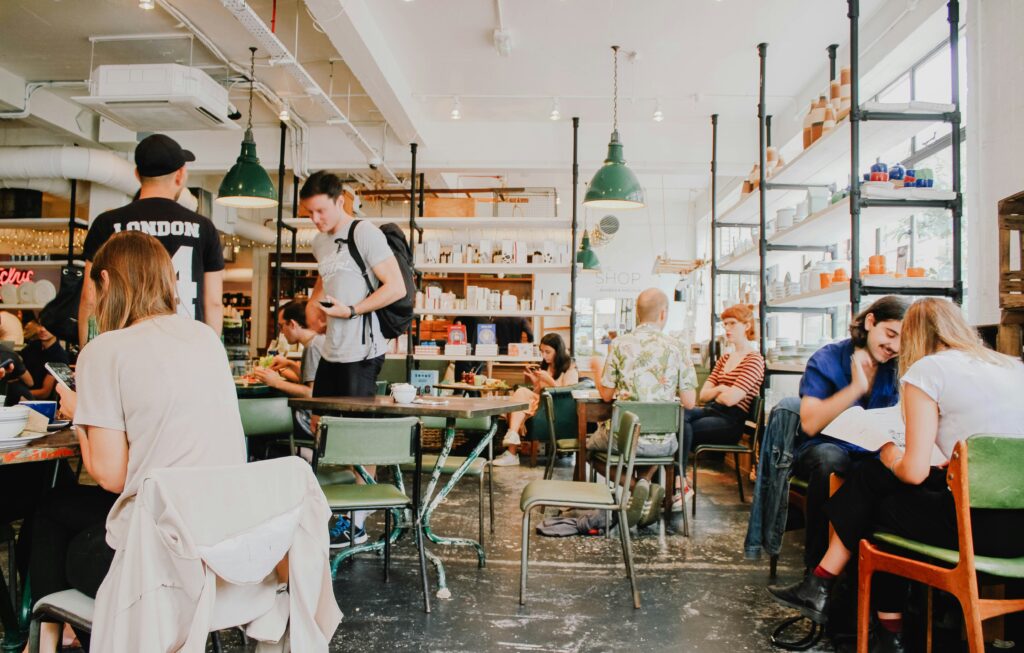
Food is one of the areas where Poland really stands out. You can eat very well here — and you don’t need a big budget to do it. There’s a huge range of options, depending on how and where you eat.
At the very basic level, a hot dog at a gas station costs around $2, and coffee is usually $3–4.
If you go for fast food, prices are still relatively low. A cheeseburger at McDonald’s costs about $2.5, a Big Mac around $4.5–5.5, and a full meal is typically $6–9.
Once you move beyond fast food, prices start to feel more “normal” — but still reasonable compared to the US.
A craft-style burger will usually cost $10–12, or around $14–16 for a full meal with fries and a drink.
In regular restaurants, you can expect to pay around $10 for a pizza and $12+ for a main dish.
And then there’s something very Polish: milk bars (bar mleczny). These are simple, traditional places where you can get a full homemade meal — often with soup and a drink — for around $5–7.
In practice, this means you can easily mix different options — from cheap local spots to more upscale restaurants — without blowing your budget.
Tipping culture
Tipping in Poland is much less expected than in the US.Leaving 10–15% in restaurants is appreciated if you’re happy with the service — but no one expects tips for coffee, fast food, or casual places.
Transport Costs
Getting around Poland is relatively easy — and in most cases, surprisingly affordable.
For short distances, many travelers rely on Uber or taxis. A typical ride within a city usually costs around $3–6 for a short trip and $5–10 for a longer one.
At the same time, public transport is one of the best ways to get around — especially in larger cities. In Warsaw, for example, a 75-minute ticket costs about $1–1.3 and works across all types of transport:
- metro
- buses
- trams
If you plan to move around more, day passes are also very affordable:
- 24-hour pass: ~$4
- 72-hour pass: ~$8–10
For traveling between cities, trains are often the most convenient option. Standard tickets usually start from around $18, while high-speed trains can cost $35–40, depending on the route and timing. If you’re planning to travel by train, we’ve put together a simple guide that walks you through how it all works.
One important difference to keep in mind — especially for American travelers — is fuel prices.
Gas in Poland costs around $2 per liter. Since 1 gallon equals about 3.8 liters, that comes out to roughly $7.5 per gallon. In other words, driving is noticeably more expensive than in the US — which is one of the reasons why many people rely on trains or public transport instead.
How to Save Money in Poland (Without Traveling Like a Student)
If you want to save money in Poland, the good news is — you really don’t have to sacrifice comfort. You just need to avoid a few very common mistakes.
- The first one is eating in the most obvious places. Restaurants located right on the main squares — especially in cities like Krakow or Warsaw — are usually the most expensive. The view is great, but the food is often average and overpriced.
Tip: Walk just a few streets away, and you’ll almost always find better food for a lower price.
- Another thing that makes a huge difference is how you plan your activities. Many organized tours — especially the ones sold in city centers — are significantly overpriced.
Tip: For example, instead of booking a guided trip from Krakow to Auschwitz, you can easily get there by train or bus on your own. It takes a bit more initiative — but you’ll save money and keep more flexibility.
- Booking in advance also matters more than people think. The cheapest accommodation and tickets are always the first to sell out. If you leave everything until the last minute, you’ll still find options — but you’ll pay noticeably more.
- Location is another easy win.
Tip: You don’t need to stay right in the city center to have a great experience.
In most Polish cities, public transport works really well, so staying slightly outside the center often means: better prices, more space and less noise.
- And speaking of transport — use it.
Tip: Public transport in Poland is cheap, reliable, and easy to use. For short distances, walking is often just as convenient. Using Uber all the time might feel easy, but it adds up quickly.
- If you’re traveling with kids, don’t forget about discounts.
Tip: In Poland, reduced tickets for children are very common — in museums, attractions, and public transport. There are also days when some museums offer free entry, so it’s always worth checking in advance.
- Accommodation can also make a big difference.
Tip: Hotels are great, but if you want to save money (especially as a family), consider renting an apartment with a kitchen. Groceries in Poland are widely available and reasonably priced, so preparing some of your own meals can noticeably lower your daily costs.
- One more thing — don’t fall for random street offers.
Tip: If someone approaches you in a busy tourist area trying to sell you a tour or attraction, it’s usually not the best deal. Prices are often higher, and the quality can be questionable. Always check options yourself before deciding.
- Travel timing also matters. The peak season in Poland is from June to August — when prices are higher and cities are more crowded.
Tip: If you can travel outside of that period, you’ll save money and enjoy a more relaxed experience.
- And finally — this might be the simplest tip, but also the most overlooked: Poland is not just Warsaw and Krakow.
Tip: There are many smaller cities that are just as beautiful, but less crowded and noticeably cheaper. If you’re open to exploring beyond the most popular places, you’ll often get a much better experience for less money.
In Poland, saving money is less about cutting corners — and more about making smarter choices.
Is Poland Worth the Price?
Absolutely.
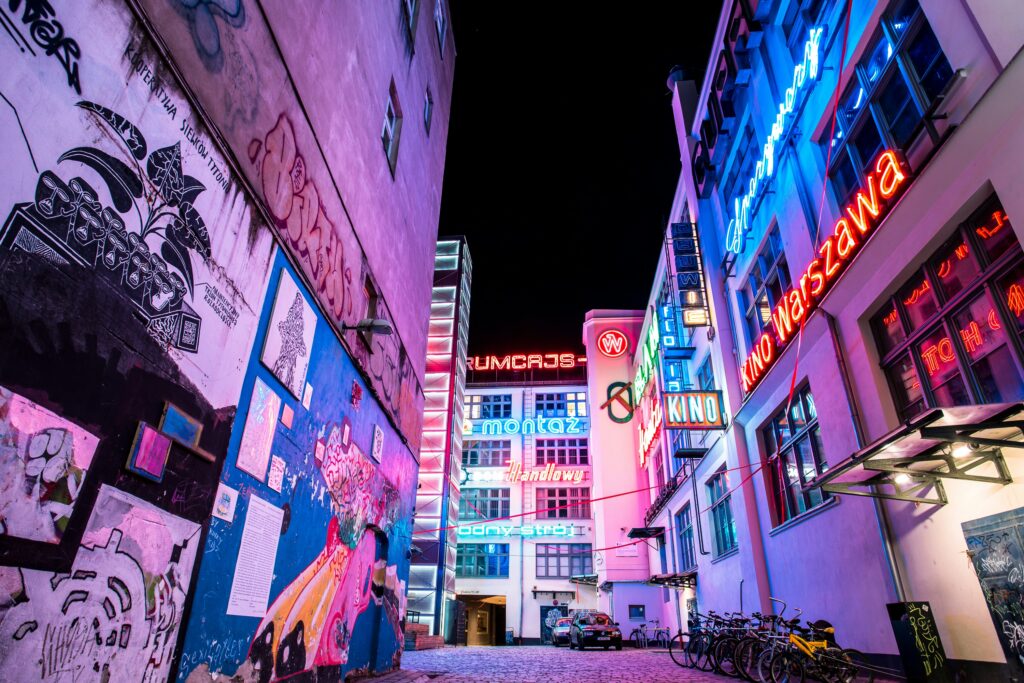
Poland still offers excellent value for money — especially if you’re coming from the US. Prices are rising (like everywhere), but what you get in return — food, quality, experiences — is often better than what you’d pay for in many Western countries.
And that’s probably one of the best things about traveling to Poland right now — you still get great value, without the crowds you’ll find in many other European destinations.

You May Also Like