
Do People Speak English in Poland? A Guide for Tourists
Do people in Poland speak English?
The short answer is: yes — and it’s getting better every year.
You don’t need to speak Polish to travel comfortably in Poland.
English is a mandatory foreign language taught from the first years of primary school, so the results of this system are clearly visible today. Just 10–20 years ago, things looked very different — older generations were more likely to learn Russian instead of English.
Where You Can Expect English
You will have no problem communicating in English in most situations — especially in larger cities.
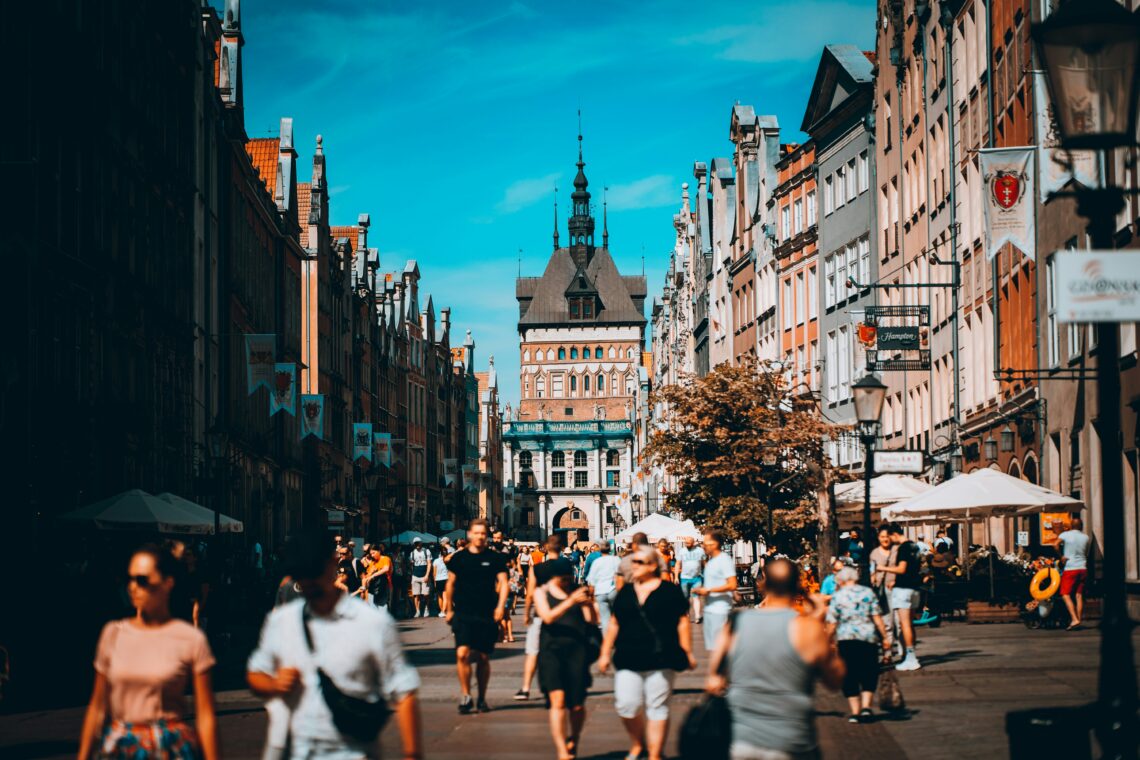
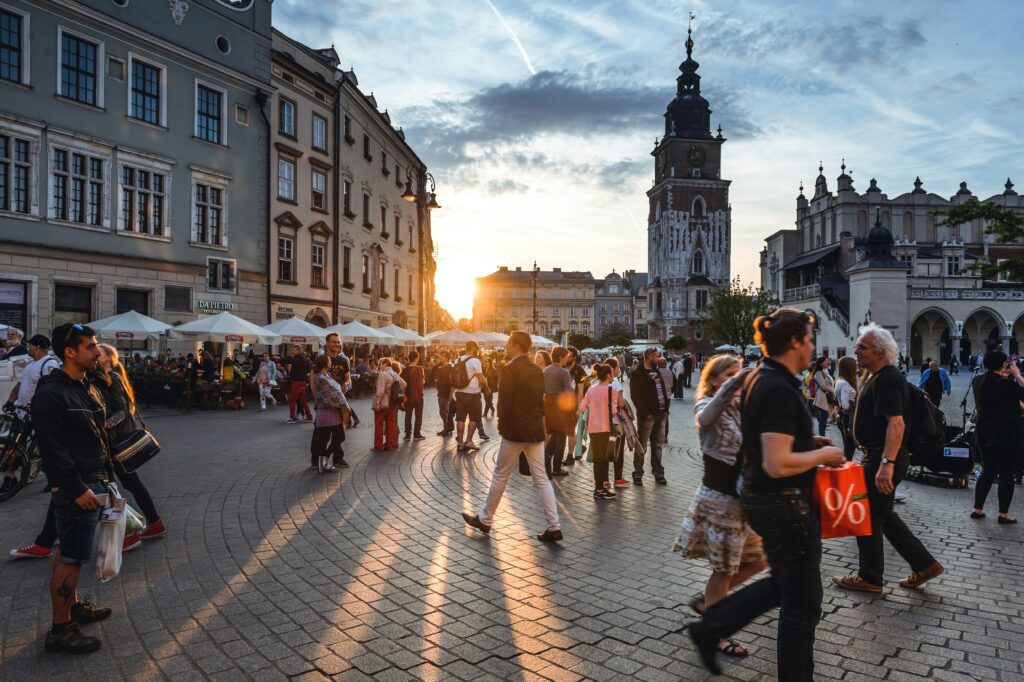
In cities like Warsaw, Krakow, Wroclaw or Gdansk, you can expect English to be widely spoken in:
- hotels,
- restaurants,
- tourist attractions,
- museums, castles and guided tours.
In many places, you’ll also find:
- English menus,
- English-speaking staff,
- audio guides or tours in English.
Even in smaller towns, if a place is tourist-oriented (like a museum or attraction), English is usually available.
If you need help, it’s best to approach someone younger. People under the age of around 40–45 are very likely to speak at least basic English. With older generations, communication may be more difficult — but not impossible.
Where It Might Be Harder
There are still situations where English is less common.
You might experience some difficulty:
- in smaller towns,
- in local offices,
- in more “everyday” places outside tourist areas.
But don’t worry — there are simple ways to handle this.

Communication Style in Poland
Even when people in Poland understand English, they may not always feel comfortable speaking it.
It’s quite common for someone to say “I don’t speak English” — even if they actually understand a lot. In many cases, it’s not about lack of knowledge, but rather a lack of confidence.
That’s why it helps to keep things simple.
Speaking slowly, using basic words and asking clear questions can make communication much easier.
It’s also worth knowing that communication style in Poland is generally more direct than in the US. People may sound more straightforward and less expressive, but they are not being rude — it’s simply a cultural difference.
You might also notice that casual small talk is less common. Conversations are usually more purposeful, especially with people you don’t know.
What Helps
First of all — Polish people are genuinely helpful.
Even if someone doesn’t understand you, they will usually try to help:
- by using a translator,
- by calling someone else,
- or by finding another solution.
You won’t be left alone with your problem.
Technology also makes everything easier:
- Google Translate can help you communicate quickly,
- apps like Google Lens can translate menus or signs using your camera.
Just take a photo — and you’ll understand what’s written.
It’s also worth learning a few basic Polish words. Even if you don’t use them often, people will really appreciate the effort.
Useful Polish phrases:
- dzień dobry (good morning / hello)
- do widzenia (goodbye)
- dziękuję (thank you)
- przepraszam (sorry / excuse me)
- ile to kosztuje? (how much does it cost?)
Practical Things That Might Surprise You
There are also a few non-language things that can make your trip easier.
For example, Poland uses the 24-hour clock.
So instead of 1:00 PM, you’ll see 13:00.
Examples:
- 13:00 → 1:00 PM
- 19:00 → 7:00 PM
This is especially useful when checking:
- opening hours,
- train or tram schedules.
If you plan to travel between cities, we’ve explained how train travel in Poland works step by step in this guide.
Also, keep in mind that most shops in Poland are closed on Sundays, with only a few exceptions.

Cultural Note (This Is Important)
Polish people may seem different from what you’re used to in the US.
They usually don’t engage in small talk with strangers — for example in shops or queues.
They may smile less and appear more serious at first.
But this doesn’t mean they are unfriendly.
In fact, Polish people are:
- very helpful,
- welcoming,
- proud of their country.
If you ask for help, don’t be surprised if someone:
- explains everything in detail,
- walks you to your destination,
- or gives you extra recommendations along the way.
Yes — people in Poland do complain sometimes (about work, politics or even the weather), but that’s just part of the culture.
So, Will You Be Fine?
If you’re planning a trip to Poland and wondering whether people speak English — you’ll be just fine.
In most situations, you’ll be able to communicate without any major problems.
And if not?
Someone will help you anyway.


You May Also Like
Is Poland Safe for Tourists? (2026 Travel Guide)
Is Poland Expensive? Real Costs for Tourists in 2026