
Do You Need a Car in Poland? A Practical Guide for Tourists
Do you really need a car to travel around Poland?
Short answer: not always.
And in many cases — it’s actually better without one.
That’s probably good news — especially if you’re coming from the US, where driving is often essential. Many travelers worry about driving in Europe: unfamiliar rules, narrower streets, different road habits.
The reality is simpler.
In this guide, I’ll help you decide whether renting a car actually makes sense — or if you’ll be perfectly fine using public transport, which in Poland is surprisingly well-developed.

When You DON’T Need a Car in Poland
Let’s start with the easy part.
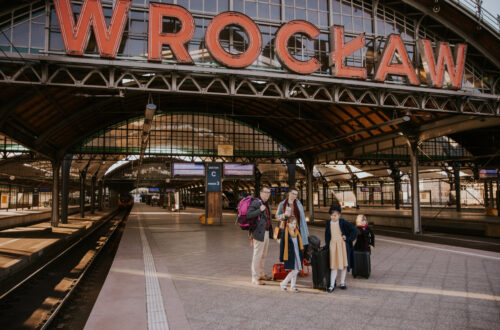
If you’re planning to visit major cities like Warsaw, Krakow, Gdansk, or Wroclaw — you don’t need a car. In fact, I’d strongly recommend not renting one.
Parking in city centers can be frustrating and expensive. Even if it’s “just” around $2 per hour, it quickly adds up — and you can easily end up paying $15–20 per day without even realizing it.
Even if your hotel has parking, don’t assume it’s included — in many cases, it’s an extra cost that can easily reach $30–40 per day.
At the same time, public transport in Poland is:
- cheap
- reliable
- easy to use
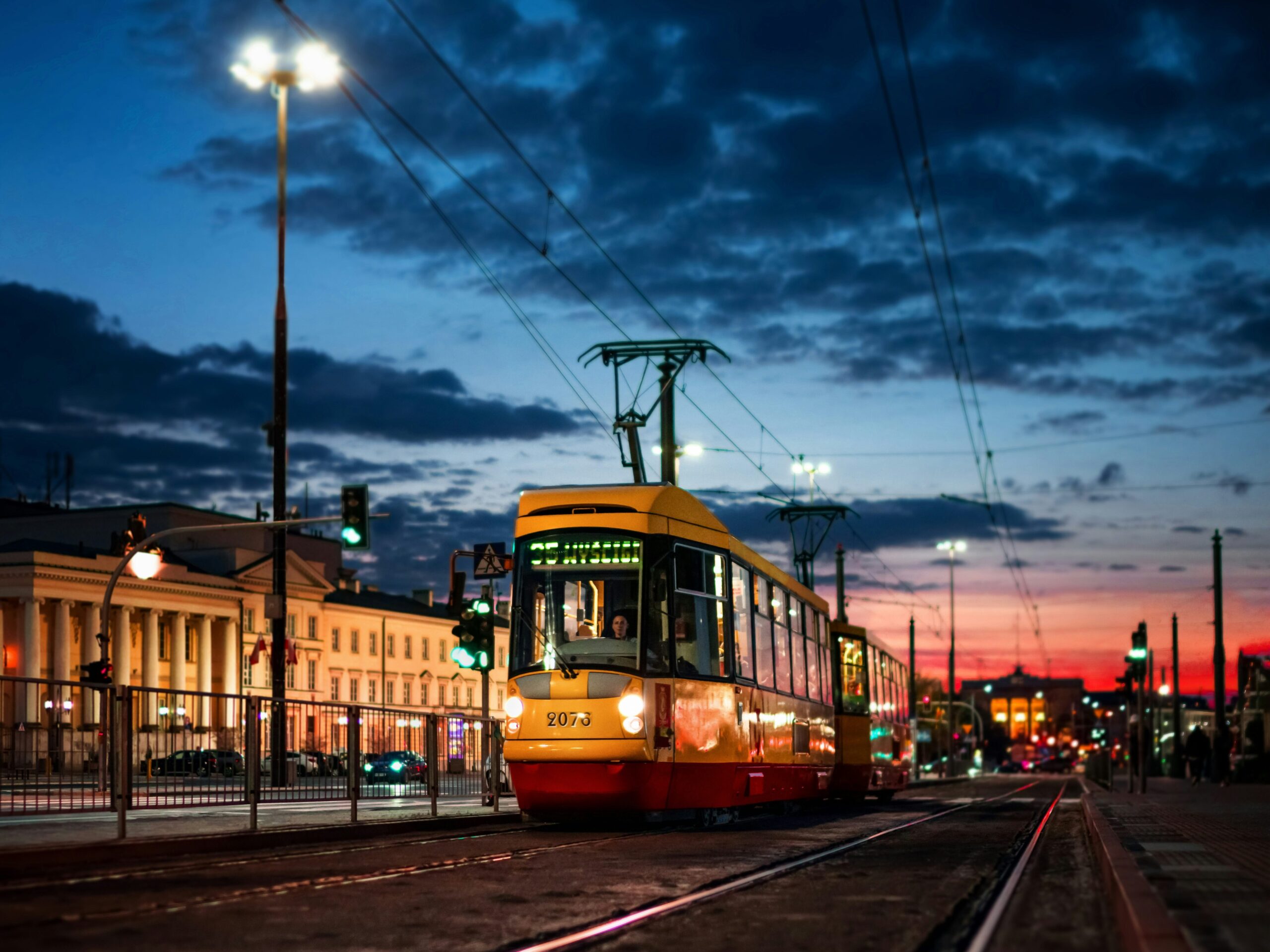
Trams, buses, and (in Warsaw) subway will get you almost everywhere.
Polish cities are also very walkable. Sidewalks, pedestrian areas, and compact city centers make exploring on foot surprisingly easy.
And what about traveling between cities?
You don’t need a car for that either. The train network is well-developed, comfortable, and affordable — often faster than driving.
If you’re planning to use trains, we’ve explained exactly how it works in How to Use Trains in Poland.
When Renting a Car Makes Sense
Now — there are situations where a car is a great idea.
First, if you’re traveling during peak periods (summer or holidays) and train tickets are sold out. It happens more often than you’d expect. In that case, renting a car can be a practical backup.
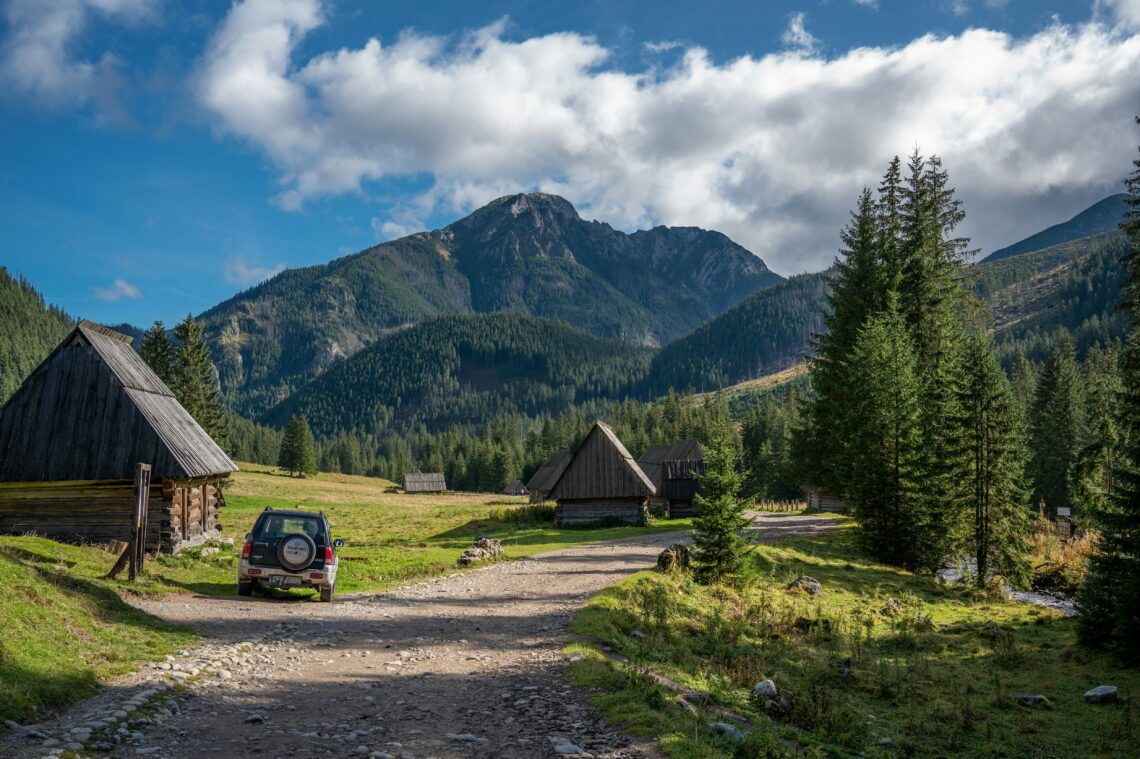
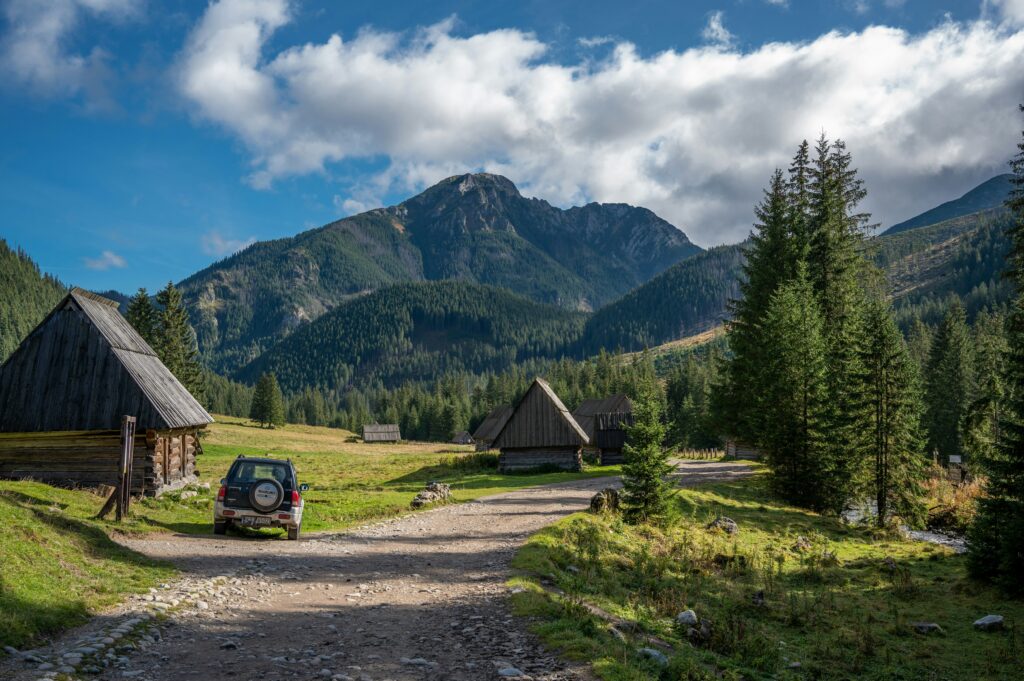
Second — nature. If you want to explore places like:
- the Tatra Mountains
- Bieszczady
- smaller coastal towns
- countryside areas
a car gives you real freedom. This is where Poland becomes much more interesting — and much less accessible by public transport.
Third — if it’s not your first visit. Once you move beyond the main tourist route, a car makes it much easier to explore smaller towns and hidden places.
And finally — traveling with kids. This is where a car can be a game changer. Having your own space, keeping snacks, bags, and “just in case” items in the car — it makes moving between places much simpler and less stressful.
Driving in Poland – What to Expect
Driving in Poland is fairly straightforward — but there are a few things that might surprise you.
First, yes — driving is on the right side (same as in the US).
But cars are smaller. Even SUVs are noticeably smaller than what you might be used to in the US — and space inside the car can feel limited, especially with luggage.
Another important thing: manual transmission. Many rental cars in Europe are still manual. If you’re not comfortable driving one, make sure you book an automatic in advance.
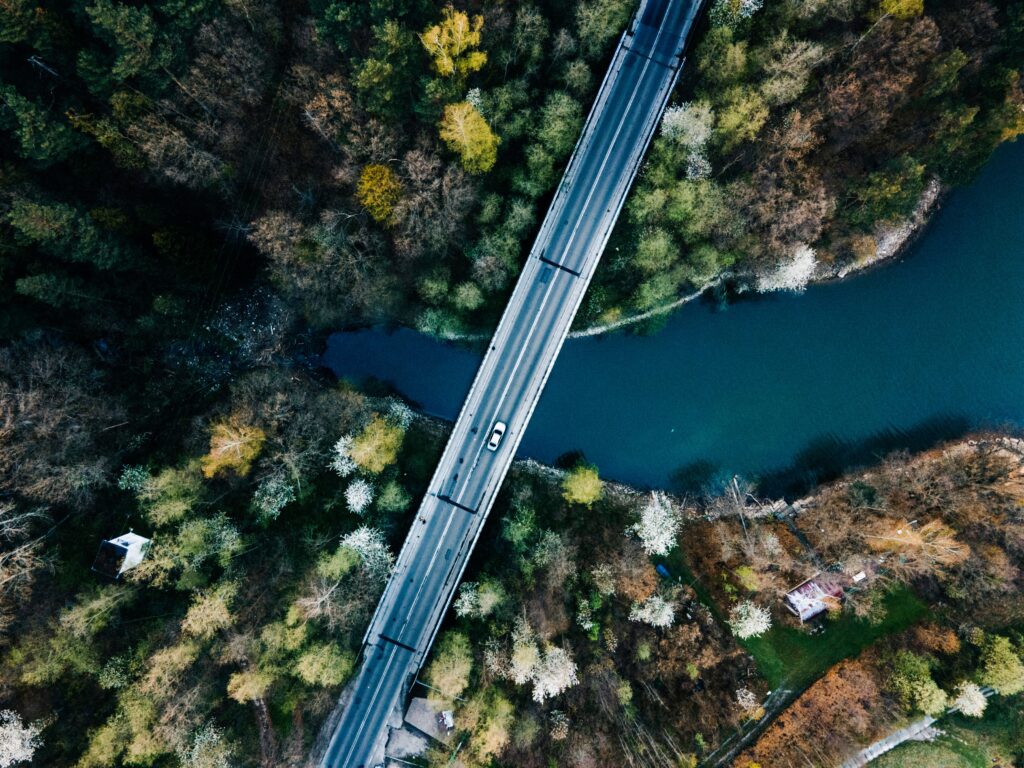
Roads? Generally good — but narrower. Highways usually have two lanes in each direction, and parking spaces (especially in cities) are significantly tighter than in the US. So if you can, it’s worth choosing a slightly better car with parking sensors or a rear camera.
Traffic lights may also feel different — they are often positioned above you, not across the intersection.
And intersections without signs follow the “priority to the right” rule.
Driving style? Let’s say… dynamic.
People can get impatient in traffic, and yes — you’ll probably hear some honking, especially in bigger cities or during rush hour. But don’t worry too much about it. Polish drivers are generally quite predictable, and surprisingly helpful. If they see you struggling a bit — for example merging into traffic or driving a rental car with foreign plates — many will actually let you in.
It’s not aggressive driving — just… a bit more emotional at times. Compared to places like Italy, driving in Poland is definitely calmer and more structured.
Most drivers follow the rules, especially now that fines and penalty points have increased significantly in recent years. This has made people more cautious and aware on the road.
Speed limits:
- City: 50 km/h (~31 mph)
- Outside cities: 90 km/h (~56 mph)
- Highways: 140 km/h (~87 mph)
Cost of Renting a Car in Poland
Car rental prices can be surprisingly low. You can find basic cars from around $5–15 per day (especially in big cities like Warsaw).
But the real cost is not the rental — it’s everything else.
Fuel:
- ~6–7 PLN per liter
- That’s about $1.5–1.7 per liter
- or roughly $6–6.5 per gallon
Which is more expensive than in the US.
Example: Driving 100 km (60 miles) with average fuel consumption will cost you around $10–15. Add parking, tolls (on some highways), and it quickly adds up.
Public Transport vs Car – What’s Actually Better?
This is where Poland is very different from the US. In most cases public transport wins.
Why? Because it’s:
- cheaper
- less stressful
- often faster in cities
You don’t have to think about parking, traffic, or navigation. Even locals often choose public transport over driving — simply because it’s easier.
Of course, there are situations where a car is more convenient. But for typical city travel? Uber + public transport is usually the smartest combo.
So… do you actually need a car?
Here’s the honest answer:
- City trip → No
- Mixed trip → Depends
- Nature / road trip → Yes
When we travel within cities like Warsaw or Krakow, we never rent a car.
But when we plan a trip that includes smaller places or multiple stops — a car gives us flexibility and saves time.
The key is not “car or no car”. It’s knowing when it actually makes sense.
PS If you’re planning your trip, we’ve broken everything down step by step in our guide on what to know before visiting Poland.
FAQ
Do tourists need a car in Poland?
No — if you’re visiting major cities like Warsaw, Krakow, or Gdansk, you can easily get around using public transport and trains.
Is it easy to drive in Poland?
Yes, but it may feel different at first. Roads are narrower, cars are smaller, and traffic can be more dynamic than in the US — but overall, driving is safe and rules are respected.
Is Uber available in Poland?
Yes. Uber and Lyft are widely available in most cities and are usually affordable.
Is public transport in Poland good?
Very good. It’s cheap, reliable, and well-connected — especially in larger cities.
Is renting a car in Poland worth it?
It depends. For city trips — no.
For exploring nature, smaller towns, or doing a road trip — definitely yes.


You May Also Like